Beyond Plain Language: Why Patient-Centered Writing Requires More Than Simplifying Medical Jargon

Image courtesy of Unsplash
I’m excited to feature this guest post from Eden Capewell, a medical writer in London who specializes in health humanities:
Clarity has long been a central principle of effective medical writing. Translating complex medical jargon into plain, easily digestible information is paramount to the profession. Medical writing remembers that patients should not have to decipher complex technical terminology to understand information about their health or treatments.
Yet, as medical information has been and will continue to be disseminated in increasingly unregulated or lay environments, it is important to maintain the sanctity of ensuring patients feel their perspectives and specific health requirements are considered, not just translated.
Plain language as a starting point
The field of health humanities continually reminds us that the patient and their lived experience must remain central to healthcare. By centering patients, we ask ourselves to consider
· Whose perspective the information represents
· What the reader may be experiencing
· What uncertainties matter to them
· What assumptions the writing makes about their circumstances, and
· How the language frames illness and the person experiencing it.
Thus, if this is forgotten, a piece of healthcare content can be technically clear and readable while still failing to address what matters most to the reader.
Therefore, the field of health humanities can help medical writers shift their attention from disease and information to how illness is lived, interpreted, and narrated. If plain language medical writing asks, “Can the patient understand the information?”, patient-centered writing also asks, “Does this information understand the patient?”
The following sections explain how medical writing can better emphasize patient-centeredness by reevaluating voice, lived experience, uncertainty, and context and emotion.

Image courtesy of Unsplash
Voice: Are we answering the questions that matter to patients?
One way to answer that question is to consider whose priorities shape the content we write. Medical information understandably follows clinical priorities. A webpage about a treatment might explain what the treatment is, how it works, its effectiveness, possible risks, and common side effects. All of this information matters.
But it may not be the only information that matters to the patient. For instance, someone considering treatment might be wondering whether they will lose their hair. Another person may worry about whether they can keep working. Someone else might want to know whether treatment will affect their sex life, their ability to exercise, their sleep, or their capacity to care for somebody who depends on them.
These questions may look secondary from a clinical perspective. Yet, for the person living through treatment, they may be anything but.
This distinction has long interested scholars working with patient narratives. Arthur Kleinman’s1 work on illness narratives and Rita Charon’s2 work on narrative medicine, for example, draw attention to the meanings people give to illness and to the questions that matter within their particular social and personal circumstances. They ask healthcare professionals to pay closer attention to the stories through which people communicate experiences of illness. Charon’s work emphasizes practices of attention and representation: listening closely to what a person communicates and considering how that experience is subsequently represented.
These ideas have implications beyond the consultation room. They can also change the way we approach patient-facing medical content. If we begin with the clinical agenda and then simply make its language easier to understand, the professional still decides what is worth talking about. Patient-centered writing requires us to ask whether the patient’s agenda has shaped the content too.
It is important to remember that doesn’t mean attempting to anticipate every possible question. It might mean looking at the questions patients repeatedly ask during consultations, involving patients when developing educational materials, examining search behavior or patient feedback, or simply asking another question during the editing process:
“What might somebody want to know after reading this?”
Imagine, for example, that we are editing a webpage about an outpatient procedure. The clinically organized headings might look something like this:
What is the procedure?
How does the procedure work?
What are the risks?
What are the possible side effects?
Now imagine approaching the same information from the reader’s perspective:
Will the procedure be painful?
How long will it take?
Can I drive myself home?
Will I need someone to stay with me?
When can I go back to work?
What should I worry about afterward?
The second list does not necessarily require different medical knowledge. What has changed is the perspective from which that knowledge is organized.
That is an important distinction for medical writers. Patient-centered writing isn't simply about changing how we express medical information. Sometimes it requires us to reconsider which information gets included, which questions are prioritized, and whose definition of “important” structures the page.

Image courtesy of Unsplash
Lived experience: A diagnosis happens within a life
Beyond considering which questions matter to patients, medical writers must also recognize how illness can disrupt everyday routines and expectations.
Sociologist Michael Bury’s3 concept of biographical disruption offers a useful framework for understanding this. In his work on chronic illness, Bury examines how illness can disrupt established routines, relationships, and perceptions of the future. A diagnosis may therefore signify more than a change in someone’s physical health; it can also require them to renegotiate aspects of their personal and social identity.
For medical writers, this perspective matters most when communicating treatment recommendations. Consider the instruction, “You should rest for several days following your procedure.” Although the sentence is clear, it overlooks important practical considerations. What does resting involve for someone with caring responsibilities, limited financial resources, or a physically demanding job?
A more patient-centered approach might explain which activities to avoid, what assistance patients may need during recovery, and when they should discuss potential difficulties with their healthcare team. For example, rather than simply advising patients to rest, a webpage could specify whether they should avoid lifting heavy objects, when they might be able to return to work, and whether they should arrange help with everyday tasks. These details would, of course, need to reflect the clinical guidance for the particular procedure.
The same principle applies when writing about long-term conditions. A resource about managing chronic pain, for instance, might list recommended treatments and lifestyle changes without acknowledging how pain can affect sleep, employment or social relationships. Including information about adapting daily activities, discussing difficulties with healthcare professionals, or accessing appropriate support could better reflect patients’ experiences. This encourages writers to consider how clinical recommendations intersect with the realities of patients’ lives.
The practical question becomes: Have we explained not only what patients should do, but what following that advice might involve?
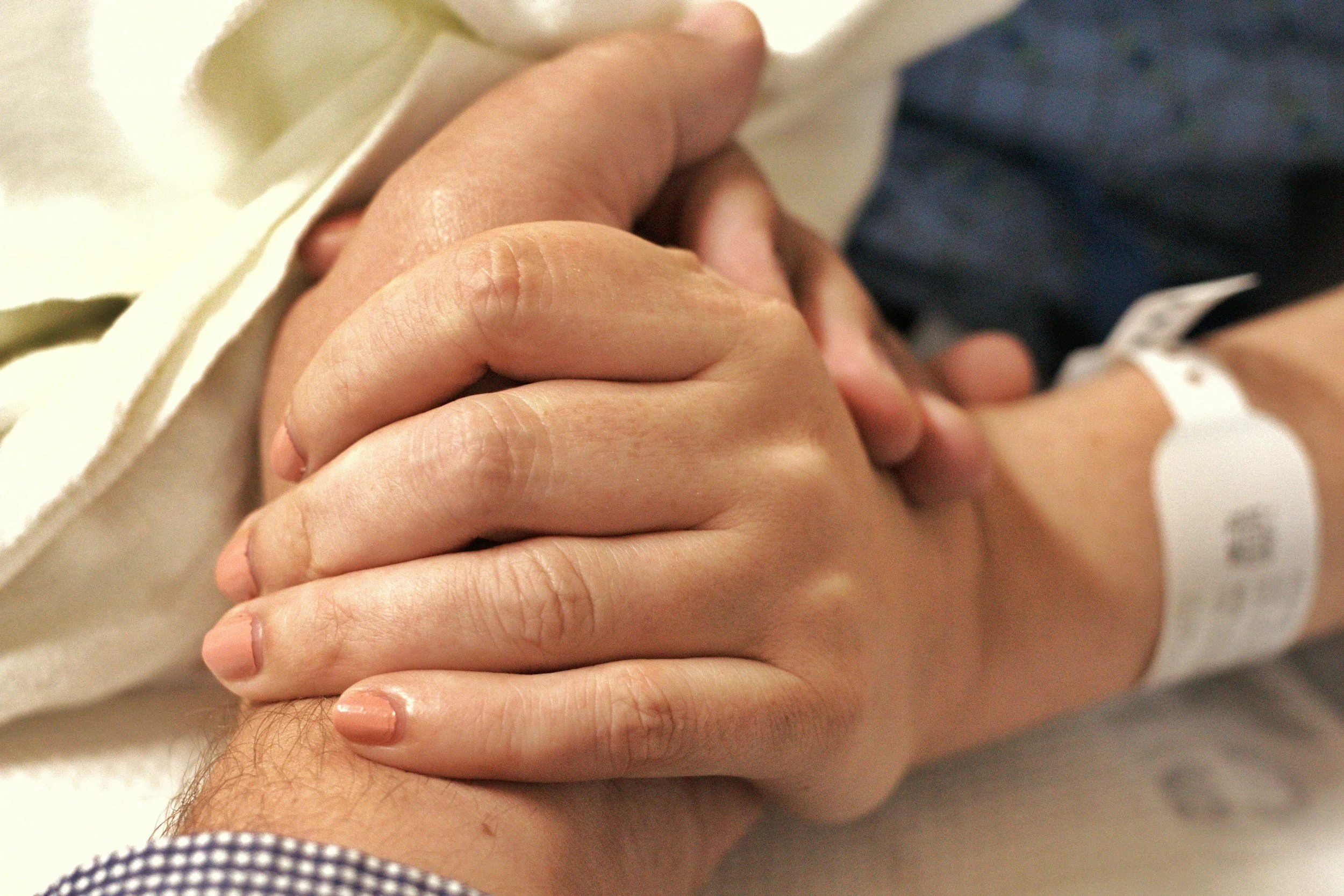
Image couresy of Unsplash
Uncertainty: Clarity does not require false certainty
Another challenge in medical writing is communicating uncertainty without compromising clarity. Treatment outcomes, recovery times, and individual responses to medical interventions are not always predictable. However, efforts to make information accessible and reassuring can sometimes make uncertain outcomes seem definitive.
For example, stating “You will feel better within two weeks” may appear reassuring, but it risks creating unrealistic expectations. A more accurate statement might be, “Many people begin to feel better within two weeks, although recovery times vary,” provided clinical evidence supports this timeframe.
Arthur W. Frank’s The Wounded Storyteller (1995)4 offers an interesting perspective on this issue. Frank examines how illness is narrated through different frameworks, including the restitution narrative, in which illness is followed by treatment and an anticipated return to health. Although this narrative reflects some experiences, it cannot account for those whose recovery is prolonged, incomplete, or uncertain, naming them chaos narratives.
Medical writing can unintentionally reproduce similar expectations by presenting recovery as straightforward. This is particularly relevant when describing treatment success. A statement such as “This treatment will restore your mobility” implies a guaranteed outcome, whereas “This treatment aims to improve mobility, although the degree of improvement varies between individuals” communicates the intended benefit without promising a particular result.
Writers should also consider how they communicate the likelihood of risks and side effects. Describing a complication as “rare” may sound reassuring, but patients may interpret this term differently. When reliable evidence is available, providing an absolute frequency, such as “Around 1 in 1,000 people experience this complication,” can offer a clearer understanding of the risk. Rather than removing uncertainty to reassure, medical writers should explain what is known, what may vary, and what patients can do when outcomes differ from expectations.
Clarity should make uncertainty understandable; not make it disappear.

Image courtesy of Unsplash
Context and emotion: What are we assuming about the reader?
Patient-facing medical information, even resources that highlight patient-centeredness, can also assume something about readers' social and emotional circumstances.
Instructions such as “Ask a family member to drive you home” or “Take a few days off work” may be straightforward, but they assume access to family support, transport, or flexible employment. These assumptions can make otherwise accessible information less useful for patients with different circumstances.
A more inclusive approach might replace “Ask a family member to drive you home” with “You will need to arrange for someone to take you home after your procedure. If this may be difficult, contact your healthcare team beforehand to discuss your options.” This retains the practical instruction while recognizing that patients may not have family members available to help. Any transport requirements should, of course, reflect the procedure and local clinical arrangements.
Similarly, instructions such as “Contact your healthcare provider if your symptoms worsen” may assume that readers understand which symptoms require attention and whom they should contact. Where clinically appropriate, a webpage could instead identify specific warning signs, explain which service to contact and distinguish between routine advice and symptoms requiring urgent assessment.
Alongside these social considerations, writers must remain attentive to the emotional circumstances in which people encounter medical information. Someone researching a potential diagnosis may approach information with anxiety, uncertainty, or fear, influencing which questions they prioritize.
However, acknowledging emotion requires more than adding reassuring phrases like “We understand this may be worrying.” A more meaningful approach may involve anticipating the concerns behind those emotions and making relevant information easy to find.
For example, a webpage about an upcoming procedure could address common concerns through headings such as “Will the procedure hurt?”, “What happens if I feel unwell afterward?” or “Who can I contact if I have questions before my appointment?” These questions acknowledge potential anxieties while directing readers towards practical information.
Empathy in medical writing is therefore not simply a matter of tone, but also of recognizing and responding to the circumstances in which information is received.

Image courtesy of Unsplash
Practical Takeaways
Plain language remains fundamental to effective medical communication. However, the perspectives offered by health humanities suggest that readability should be the foundation of patient-centered writing, not the endpoint.
For medical writers, these ideas can be incorporated into the editing process through a second review of patient-facing content, using five questions:
Voice: Are we answering the questions patients actually have?
Review whether the content prioritizes clinical explanations at the expense of practical patient questions. For example, could a treatment page benefit from headings about pain, recovery, or returning to everyday activities?Lived experience: Have we considered what following this advice involves?
Examine recommendations for their practical implications. If patients are advised to rest, change their diet or attend regular appointments, have we provided enough information to help them plan around these requirements?Uncertainty: Are we communicating outcomes accurately?
Look for language that promises particular results or uses vague descriptions of risk. Where appropriate, replace guarantees with evidence-based explanations of expected outcomes, possible variation, and next steps.Context: What assumptions are we making about the reader?
Identify instructions that assume access to transport, family support, flexible employment, or particular resources. Consider whether the content can acknowledge alternative circumstances or direct patients towards available support.Emotion: Does the content address the concerns behind the information search?
Rather than relying solely on reassuring language, consider whether the page answers questions that may cause anxiety, particularly around procedures, diagnoses, side effects, and recovery.
These questions do not replace established principles of medical accuracy, accessibility, or readability. Instead, they offer an additional framework for medical writers to evaluate whether their content genuinely responds to its intended audience.
Ultimately, the health humanities remind us that patients encounter medical information not simply as recipients of clinical knowledge, but as individuals whose experiences of health and illness are shaped by their wider lives.
The aim of patient-centered medical writing is therefore not only to ensure that information can be understood, but that it meaningfully addresses the needs of those seeking to understand it.
Eden Capewell is an MA Health Humanities candidate at University College London specializing in the ethical and cultural impacts of emerging technologies. Her current research focuses on AI, grief, and the digital afterlife industry.
Suggested Further Reading (texts referenced):
1 Kleinman, A. (1988). The Illness Narratives: Suffering, Healing, and the Human Condition. Basic Books.
2 Charon, R. (2006). Narrative Medicine: Honoring the Stories of Illness. Oxford University Press.
3 Bury, M. (1982). Chronic illness as biographical disruption. Sociology of Health & Illness, 4(2), 167–182.
4 Frank, A. W. (1995). The Wounded Storyteller: Body, Illness, and Ethics. University of Chicago Press.